


From Bitcoin to Altcoins
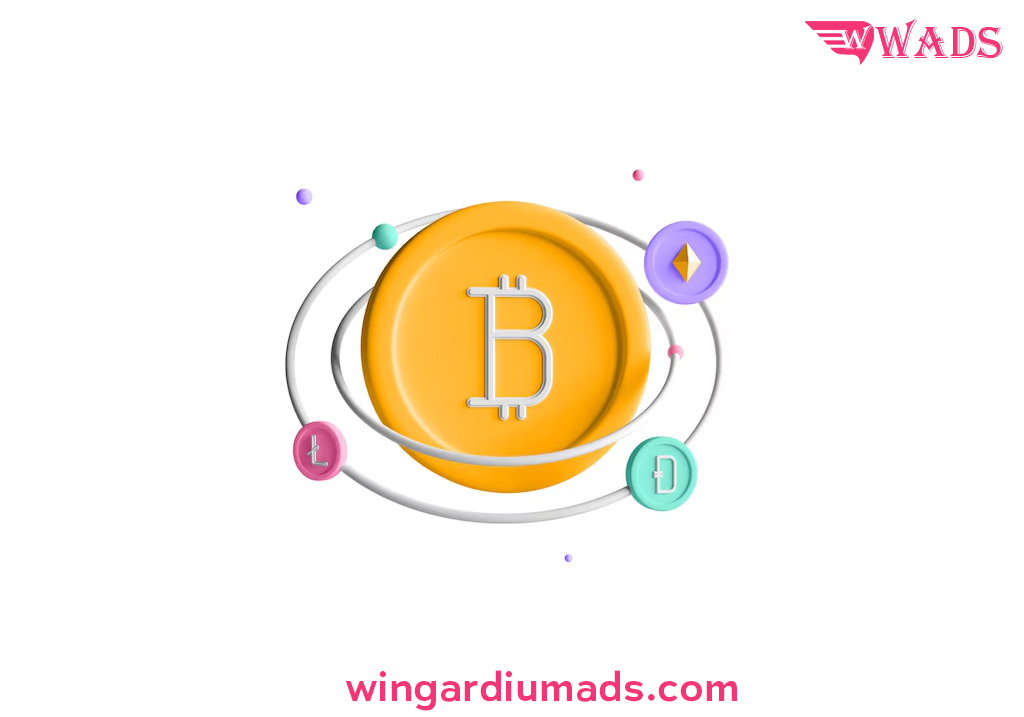
Cryptocurrency has revolutionized the financial world, offering a decentralized alternative to traditional banking systems. What began with Bitcoin has now expanded into a diverse ecosystem of altcoins, each with unique features and purposes. This blog explores the evolution of cryptocurrency, from the inception of Bitcoin to the rise of altcoins, and examines their impact on the global economy.
H2: The Birth of Bitcoin
H3: The Genesis of Digital Currency
In 2008, an anonymous entity known as Satoshi Nakamoto introduced Bitcoin through a whitepaper titled “Bitcoin: A Peer-to-Peer Electronic Cash System.” Bitcoin was designed to eliminate intermediaries like banks, enabling direct transactions between users.
H3: How Bitcoin Works
Bitcoin operates on blockchain technology, a decentralized ledger that records all transactions. Miners validate these transactions by solving complex mathematical problems, earning Bitcoin as a reward. This process ensures security and transparency.
H3: Bitcoin’s Early Challenges
Initially, Bitcoin faced skepticism and regulatory hurdles. However, its decentralized nature and limited supply (21 million coins) attracted early adopters, paving the way for its gradual acceptance.
H2: The Rise of Altcoins
H3: What Are Altcoins?
Altcoins, or alternative coins, refer to any cryptocurrency other than Bitcoin. They were created to address Bitcoin’s limitations, such as scalability, transaction speed, and energy consumption.
H4: Ethereum and Smart Contracts
Ethereum, launched in 2015, introduced smart contracts—self-executing contracts with terms directly written into code. This innovation expanded cryptocurrency use cases beyond mere transactions.
H4: Litecoin and Faster Transactions
Litecoin, often called the “silver to Bitcoin’s gold,” was designed for faster transaction times and lower fees. It uses a different hashing algorithm (Scrypt) to achieve this.
H4: Ripple and Cross-Border Payments
Ripple (XRP) focuses on facilitating cross-border payments for financial institutions. Its consensus ledger technology enables faster and cheaper international transactions compared to traditional systems.
H2: The Diversification of Cryptocurrency
H3: Utility Tokens vs. Security Tokens
Cryptocurrencies are often categorized as utility tokens or security tokens. Utility tokens provide access to specific services, while security tokens represent ownership in an asset.
H3: Stablecoins: Bridging Crypto and Fiat
Stablecoins like Tether (USDT) and USD Coin (USDC) are pegged to fiat currencies, reducing volatility. They serve as a bridge between traditional finance and the crypto world.
H3: Meme Coins and Cultural Impact
Meme coins like Dogecoin and Shiba Inu gained popularity due to their community-driven nature and viral appeal. While often seen as speculative, they highlight the cultural impact of cryptocurrency.
H2: The Future of Cryptocurrency
H3: Institutional Adoption
Major corporations and financial institutions are increasingly adopting cryptocurrency. Companies like Tesla and PayPal have integrated Bitcoin, signaling mainstream acceptance.
H3: Regulatory Developments
Governments worldwide are working on regulatory frameworks to address concerns like fraud, money laundering, and tax evasion. Clear regulations could foster greater trust and adoption.
H3: Technological Advancements
Innovations like layer-2 solutions (e.g., Lightning Network) and proof-of-stake mechanisms aim to improve scalability and energy efficiency, ensuring the long-term viability of cryptocurrencies.
H2: Challenges Facing Cryptocurrency
H3: Volatility and Market Risks
Cryptocurrencies are known for their price volatility, which can lead to significant gains or losses. This unpredictability remains a barrier to widespread adoption.
H3: Environmental Concerns
The energy-intensive mining process, particularly for Bitcoin, has raised environmental concerns. Efforts are being made to transition to more sustainable practices.
H3: Security Threats
Despite blockchain’s security, cryptocurrencies are not immune to hacks and scams. Users must exercise caution and adopt robust security measures.
H2: FAQ
H3: What is the difference between Bitcoin and altcoins?
Bitcoin was the first cryptocurrency, while altcoins are any cryptocurrencies created after Bitcoin. Altcoins often aim to improve upon Bitcoin’s limitations.
H3: Are altcoins a good investment?
Altcoins can offer high returns but come with higher risks. Investors should conduct thorough research and consider their risk tolerance before investing.
H3: How do I store cryptocurrencies securely?
Cryptocurrencies can be stored in digital wallets, either hardware (offline) or software (online). Hardware wallets are generally considered more secure.
H3: What is the future of cryptocurrency?
The future of cryptocurrency looks promising, with increasing institutional adoption, technological advancements, and regulatory clarity driving growth.
H2: Conclusion
The evolution of cryptocurrency, from Bitcoin to altcoins, has transformed the financial landscape. While challenges remain, the potential for innovation and growth is immense. As the world continues to embrace digital currencies, understanding their history and future trends is crucial for anyone looking to navigate this dynamic space.




Pingback: Why Cryptocurrency is the Future of Money - Wingardiumads